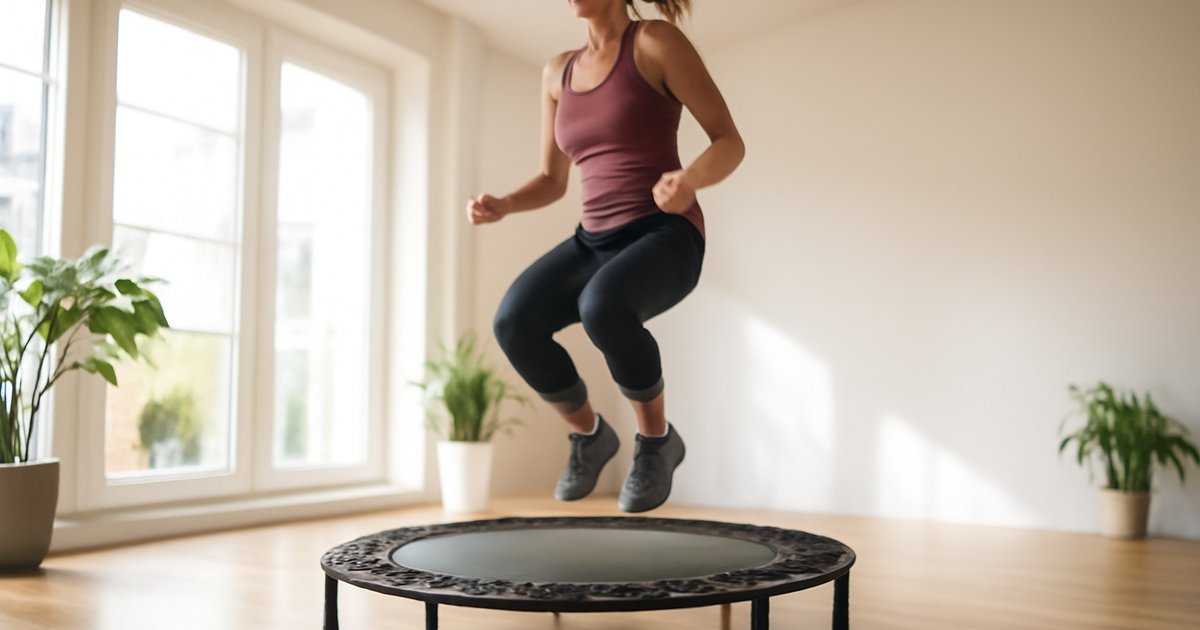
Trampoline Fitness: The Fun Workout That Burns Real Calories
You’ve been slogging through workouts that feel like a chore — what if the most effective cardio session you could have actually felt like recess?
Remember that feeling as a kid when you could bounce on a trampoline for hours without noticing how tired you were? Turns out, your adult body still loves that kind of movement — and science is starting to catch up with what your 10-year-old self already knew instinctively.
Trampoline fitness, sometimes called rebounding, has quietly moved from backyard novelty to legitimate workout modality over the past decade. Mini-trampolines are showing up in boutique fitness studios, physical therapy clinics, and home gyms across the US — and for good reason. This low-impact, high-efficiency form of exercise targets cardiovascular endurance, coordination, core stability, and even lymphatic health in ways that traditional cardio often doesn’t.
If you’ve dismissed trampoline fitness as a gimmick or something reserved for kids’ birthday parties, this guide is going to change your perspective. You’ll learn exactly how rebounding works, why it’s scientifically worth your time, how to get started safely, and what realistic results look like. No hype, just evidence-backed guidance you can actually use.
Why Trampoline Fitness Matters More Than You Think
Most adults aged 25 to 60 are looking for two things in a workout: effectiveness and sustainability. The brutal truth is that high-impact cardio like running is hard on the joints over time, and many people drop it before they ever build a lasting habit. That’s where rebounding earns its place.
According to research published in the Journal of Applied Physiology, rebounding on a mini-trampoline produces a metabolic equivalent (MET) comparable to running at a moderate pace — but with significantly less mechanical stress on your knees, ankles, and hips. The elasticity of the trampoline surface absorbs approximately 80% of the impact force that would otherwise travel through your joints with each step.
This matters enormously for adults who have existing joint discomfort, are returning from injury, or simply want to protect their long-term mobility. The American College of Sports Medicine (ACSM) consistently emphasizes that sustainable exercise adherence is one of the most critical predictors of long-term health outcomes — and a workout you can actually stick to beats a theoretically superior workout you quit after three weeks.
Beyond joints, trampoline exercise engages your proprioceptive system — your body’s internal sense of position and balance — more actively than flat-surface cardio. This translates to real-world benefits: better coordination, reduced fall risk, and improved neuromuscular communication throughout your body.
The Science Behind How Rebounding Actually Works
Here’s the mechanics: every time you bounce, your body experiences a brief moment of increased gravitational load at the bottom of the jump and near-weightlessness at the top. This rhythmic alternation between G-force and reduced gravity is what makes trampoline training uniquely stimulating for multiple body systems simultaneously.
A frequently cited NASA study from the Journal of Applied Physiology compared the physiological responses of running on a treadmill versus bouncing on a trampoline and found that rebounding was 68% more oxygen-efficient than running. While this specific figure has been discussed with nuance in later exercise science literature — results depend heavily on bounce intensity and individual fitness levels — the underlying point holds: rebounding can deliver significant cardiovascular demand while feeling less punishing.
One of the most talked-about (and somewhat overstated) benefits of rebounding involves lymphatic circulation. Unlike the cardiovascular system, the lymphatic system has no central pump — it relies on muscular contractions and gravitational changes to move lymph fluid through the body. The rhythmic up-and-down motion of rebounding does stimulate lymphatic valves, which may support the body’s natural immune and waste-clearance processes. That said, it’s worth noting that the research here is still developing, and the degree of benefit varies significantly between individuals.
Common myth worth busting: trampoline fitness is not just for people who can’t do "real" cardio. Elite athletes and professional sports teams have incorporated rebounding into their training programs for coordination, recovery, and neuromuscular conditioning. It’s a legitimate performance tool, not a consolation prize.
How to Get Started with Trampoline Fitness
Getting started with rebounding is refreshingly accessible compared to many fitness modalities. You don’t need a gym membership, and the barrier to entry is relatively low. Here’s how to approach it based on your current fitness level:
Equipment First: For home use, a quality mini-trampoline (rebounder) with a sturdy frame, bungee cord suspension (easier on joints than spring-based models), and a weight rating that fits your body is essential. Look for models with a stabilizing handlebar if you’re new to balance work or returning from injury. Budget range: $80 to $300 depending on quality.
Beginner (Weeks 1-3):
- Start with a basic health bounce: both feet stay lightly in contact with the mat, gentle rhythmic bouncing for 5-10 minutes
- Focus on posture — soft knees, core gently engaged, shoulders relaxed
- Aim for 3 sessions per week, building to 15 minutes per session
- Add arm movements (overhead presses, lateral raises) to increase heart rate without jumping higher
Intermediate (Weeks 4-8):
- Incorporate high-knee bouncing, jogging in place on the trampoline, and lateral shuffles
- Try simple intervals: 30 seconds of higher-intensity bouncing, 30 seconds of gentle recovery bounce
- Aim for 20-30 minute sessions, 4 times per week
- Begin adding directional movements: front-back shifts, quarter turns
Advanced:
- Tuck jumps, jumping jacks, single-leg bouncing for balance and lower body strength
- Structured HIIT-style protocols: 40 seconds on, 20 seconds off, repeated for 6-8 rounds
- Combine with resistance bands or light dumbbells for upper body engagement
- Sessions of 30-45 minutes with deliberate intensity variation
If you’re looking for a way to pair trampoline cardio with a structured strength program, Bodyweight Training: Build Real Strength Anywhere offers an excellent complementary approach that requires no equipment and can be done on the same days or alternated throughout the week.
Common Mistakes That Sabotage Your Progress
Trampoline fitness looks simple, and that simplicity is part of its appeal — but it also means people often skip the fundamentals and run into frustrating plateaus or avoidable discomfort.
Mistake 1: Bouncing too high too soon. This is the most common beginner error. Higher jumps don’t automatically mean better workouts — they increase the risk of losing control, landing awkwardly, and straining your ankles or knees. The most effective rebounding often happens at moderate heights with precise, controlled movement. Fix: keep your bounces controlled and focus on rhythm before adding height.
Mistake 2: Ignoring core engagement. Many people bounce passively, treating the trampoline like it’s doing all the work. Without deliberate core activation, you miss a significant portion of the stability and postural benefit — and you increase the likelihood of lower back strain. Fix: think about gently drawing your navel toward your spine throughout your session. This doesn’t mean bracing hard, just maintaining awareness.
Mistake 3: Skipping the warm-up and cool-down. Because rebounding feels fun and easy at first, people often jump straight in without preparing their muscles and joints. This is especially risky for the Achilles tendon and calf muscles, which work hard during bouncing. Fix: spend 3-5 minutes doing gentle marching in place and ankle circles before you step on, and end with standing calf stretches and hip flexor lengthening.
Mistake 4: Using a low-quality or worn-out rebounder. A trampoline with uneven tension, damaged springs, or a frame that wobbles under use is not just less effective — it’s genuinely dangerous. Fix: invest in a reputable brand with good reviews, check the mat and frame regularly for wear, and replace worn bungees or springs before they fail.
For those who want to build recovery practices alongside their trampoline routine, Foam Rolling: The Recovery Tool You’re Probably Underusing is a practical companion guide that addresses muscle maintenance and post-workout soreness.
What to Eat to Support Your Trampoline Training
Nutrition for rebounding follows the same core principles as any aerobic exercise program. You’re not training at the intensity of a marathon, but consistent sessions do create meaningful energy and recovery demands.
Before your session: A light meal or snack 60-90 minutes before training works well for most people. The Academy of Nutrition and Dietetics recommends pairing easily digestible carbohydrates with a small amount of protein — think a banana with a tablespoon of almond butter, or a small bowl of oatmeal with berries. Avoid large, high-fat meals right before bouncing, as the up-and-down motion can cause genuine GI discomfort.
During: For sessions under 45 minutes, water is sufficient. For longer or more intense sessions, an electrolyte drink may help, especially in warmer months or if you sweat heavily.
After your session: Prioritize protein within 30-60 minutes post-workout to support muscle repair. The USDA Dietary Guidelines and sports nutrition research generally suggest 20-30 grams of quality protein is a practical target for most adults. Good options include Greek yogurt with fruit, a protein smoothie with milk or plant-based milk, or eggs with whole grain toast.
What to limit: Ultra-processed snacks immediately before exercise reduce performance and increase the likelihood of energy crashes mid-session. Alcohol the night before or day of training also impairs neuromuscular coordination — which matters more in trampoline work than you might expect, since balance and timing are central to the workout.
How Long Until You See Results and What to Track
This depends on your baseline fitness, consistency, and what results you’re measuring. Realistic expectations grounded in exercise science look something like this:
Weeks 1-2: Improved coordination and balance awareness. Many new rebounders notice they feel more "in sync" with their body relatively quickly. Some initial muscle soreness in calves, glutes, and core is normal and typically resolves by the end of week two.
Weeks 3-6: Measurable cardiovascular improvement. Resting heart rate may begin to decrease slightly, and you’ll likely notice that sessions feel easier at the same intensity — a reliable sign of improved aerobic fitness. Harvard Health Publishing notes that consistent moderate aerobic activity can produce noticeable cardiorespiratory improvements within 4-6 weeks for sedentary adults.
Weeks 8-12: Body composition changes become more visible when paired with appropriate nutrition. Weight management through rebounding alone varies significantly between individuals — caloric expenditure for a 155-pound adult during moderate rebounding is approximately 200-300 calories per 30-minute session, though this is highly dependent on intensity.
What to track: Resting heart rate (a great baseline metric), session duration and perceived effort (rate of exertion on a 1-10 scale), and how you feel on rest days. If energy and mood are improving and sessions feel progressively easier, you’re moving in the right direction.
When to reassess: If you experience persistent joint pain, dizziness during or after sessions, or no change in fitness markers after 8 weeks of consistent effort, it’s worth checking in with a certified fitness professional or your healthcare provider.
If you want to expand your low-impact cardio toolkit further, Incline Walking: The Low-Impact Workout That Actually Works pairs exceptionally well with a rebounding routine as a gentler active recovery option.
Frequently Asked Questions
Is trampoline fitness safe for people with bad knees?
For many people with knee discomfort, rebounding is actually more comfortable than running or high-impact aerobics because the trampoline surface absorbs significant impact force. That said, individual conditions vary widely. If you have a diagnosed knee issue — such as a meniscus tear or significant osteoarthritis — consult your orthopedic specialist or physical therapist before starting. Starting with the gentlest health bounce and building slowly is the safest approach for anyone with existing joint concerns.
How many calories does trampoline fitness burn?
Caloric burn depends on your body weight, bounce intensity, and session length. Research estimates suggest moderate rebounding burns roughly 200-300 calories per 30 minutes for an average adult — comparable to brisk walking or light jogging. Higher-intensity intervals push that range upward. Results vary significantly based on individual metabolism and effort level.
Can I lose weight with trampoline workouts alone?
Rebounding can absolutely contribute to a caloric deficit and support weight management goals, but no single exercise modality is a complete solution on its own. Pairing consistent rebounding with balanced nutrition and adequate sleep produces the most sustainable outcomes. The Academy of Nutrition and Dietetics consistently emphasizes that weight management is most effectively addressed through a whole-lifestyle approach rather than exercise alone.
How often should I do trampoline workouts?
The ACSM recommends at least 150 minutes of moderate-intensity aerobic activity per week for general health. Rebounding 4-5 days per week in 20-30 minute sessions comfortably meets that target. Beginners should start at 3 days per week and progress gradually. Include at least one full rest day between higher-intensity sessions.
Do I need to use a mini-trampoline, or can I use a full-size outdoor trampoline?
Mini-rebounders (36-40 inches in diameter) are specifically designed for fitness use, offering controlled bounce tension optimized for low-impact exercise. Full-size outdoor trampolines have different spring tensions designed for recreational bouncing, which can make controlled fitness movements harder and injury risk higher. For structured fitness training, a purpose-built rebounder is the better choice.
Start Bouncing — Your Joints Will Thank You
Trampoline fitness isn’t just a feel-good novelty — it’s a genuinely effective, science-supported way to build cardiovascular endurance, sharpen coordination, and protect your joints for the long haul. The fact that it’s also genuinely fun is a feature, not a bug. Enjoyment is one of the strongest predictors of workout consistency, and consistency is what actually produces results.
Start where you are. A basic rebounder, a 10-minute health bounce three times a week, and a commitment to building gradually is all you need to begin. Small, consistent steps taken week after week will get you further than any intense burst of motivation that burns out in a month.
Your action step for today: research one quality mini-trampoline within your budget, or check if any local fitness studios offer a rebounding class you can try before investing in your own equipment. Sometimes one great session is all it takes.
Wellness Disclaimer: This article is for informational and educational purposes only. The content is not intended to replace professional medical, nutritional, or fitness advice. Always consult a qualified healthcare provider, registered dietitian, or certified fitness professional before starting a new health program or making significant changes to your lifestyle.
Content reviewed by our wellness editorial team, with references to peer-reviewed research and guidelines from leading health organizations.
Leave a Reply