
Tag: weight loss exercise

  • Stair Climbing Workout: The Underrated Cardio That Delivers

    Stair Climbing Workout: The Underrated Cardio That Delivers

    Stair Climbing Workout: The Underrated Cardio That Delivers

    You walk past a flight of stairs every single day — and it might be the most effective piece of fitness equipment you’re already ignoring.

    Here’s a number worth pausing on: according to Harvard Health Publishing, climbing just two flights of stairs per day could help you burn enough calories to avoid the average American’s one-pound annual weight gain. That’s without a gym membership, a fitness tracker, or a single burpee.

    And yet, most people step right past the staircase and press the elevator button.

    Stair climbing workouts have earned a quiet reputation among trainers, physical therapists, and endurance athletes as one of the most efficient, low-cost, and genuinely demanding forms of cardio available. The stair climbing workout is beginner-accessible, hard to plateau on, and remarkably time-efficient — which matters when your schedule is already stretched thin.

    In this guide, you’ll learn exactly why stair climbing deserves a permanent spot in your fitness routine, how it actually works in your body, how to get started safely, and what to avoid so you don’t derail your progress before it begins. Whether you’re using a staircase at home, at work, or a StairMaster at the gym, this is your full playbook.

    Why Stair Climbing Matters More Than You Think

    It’s easy to underestimate something so ordinary. Stairs are everywhere. They feel like an inconvenience, not a workout. But once you start pushing your pace on a staircase, that perception changes fast.

    Stair climbing is a compound movement — it simultaneously engages your glutes, quadriceps, hamstrings, calves, and hip flexors while also demanding sustained cardiovascular output. Unlike flat-surface walking or jogging, every step up requires your muscles to work against gravity, which significantly increases the metabolic cost of the movement.

    According to the American College of Sports Medicine (ACSM), activities that recruit large muscle groups in a sustained, rhythmic manner are ideal for improving cardiovascular fitness. Stair climbing checks every one of those boxes.

    A study published in the British Journal of Sports Medicine found that brief, vigorous stair climbing bouts — even just 10 minutes spread across the day — were sufficient to improve cardiovascular health markers in sedentary adults. This is particularly relevant for busy people who struggle to carve out a single long workout block.

    Beyond cardiovascular gains, stair climbing has a surprisingly strong association with longevity. Research from the Harvard Alumni Health Study found that men who climbed 35 or more flights of stairs per week had significantly lower mortality rates compared to those who were largely sedentary. The effect held even when controlling for other physical activity.

    In your daily life, this translates to more than just fitness numbers. Stronger legs, better balance, and improved cardiovascular capacity all contribute to healthier aging, reduced fall risk, and the ability to stay active as the decades pass.

    How Stair Climbing Actually Works in Your Body

    Let’s get specific, because understanding the mechanism helps you train smarter.

    When you climb stairs, your body operates in a way that’s meaningfully different from walking on flat ground. The incline forces your posterior chain — glutes, hamstrings, and calves — to generate more force per step. Your quads work eccentrically on the way up, absorbing load and controlling your ascent. Your core stabilizes your trunk with every stride. It’s a full lower-body workout disguised as simple locomotion.

    From a cardiovascular standpoint, stair climbing elevates your heart rate quickly and keeps it elevated. Research published in the Journal of Strength and Conditioning Research found that stair climbing elicited greater cardiovascular responses than walking at comparable speeds on flat ground. In practical terms, you work harder in less time.

    One common myth is that stair climbing is rough on the knees and therefore should be avoided by anyone with joint concerns. The reality is more nuanced. Proper stair climbing technique — which we’ll cover in detail — is actually considered a low-impact, joint-friendly activity by many physical therapists, particularly compared to running. The key is alignment and controlled movement. That said, if you have an existing knee injury or osteoarthritis, this depends on your baseline and you should consult a healthcare provider before starting.

    Another misconception: that you need a StairMaster machine to get real results. Real staircases work just as well — sometimes better, because the variability in step height and length adds an additional neuromuscular challenge that a machine can’t replicate.

    How to Get Started: A Practical Stair Climbing Plan

    The beauty of stair climbing is that the barrier to entry is almost nonexistent. Here’s how to build from zero to a solid routine, regardless of your current fitness level.

    Beginner Level (Weeks 1–3)

    • Start with 2–3 sessions per week, climbing at a comfortable, conversational pace
    • Aim for 5–10 minutes of continuous stair climbing per session
    • Use the handrail for balance, not momentum — your legs do the work
    • Focus on controlled, full foot placement: heel-to-toe, not just ball of foot
    • Take the elevator or escalator back down if your knees need the break
    • Rest 1–2 minutes between sets if doing multiple climbs

    Intermediate Level (Weeks 4–8)

    • Increase sessions to 4 per week, pushing total climbing time to 15–20 minutes
    • Introduce one "skip-step" set per session — stepping every other stair to increase glute activation
    • Add a slight forward lean from the hips (not the waist) to shift load into glutes and reduce knee strain
    • Try timed interval sets: 30 seconds fast climbing, 30 seconds slow, repeated for 8–10 rounds
    • Begin descending stairs actively at a slower pace to build eccentric strength

    Advanced Level (Week 9+)

    • Incorporate weighted stair climbing using a light backpack (5–15 lbs) to increase resistance
    • Try stair-based HIIT: max-effort sprint up, slow walk down, repeated for 6–8 rounds
    • Explore longer stair climbs — stadiums, parking garages, tall buildings (with permission) — for sustained endurance sessions
    • Combine stair climbing with resistance exercises: after each climb, perform 10 bodyweight squats or lunges at the bottom

    For those using a gym StairMaster, the same progression applies. Start at resistance level 4–6, maintain an upright posture, and avoid leaning heavily on the side rails — that defeats the purpose.

    Common Mistakes That Sabotage Your Results

    Stair climbing looks simple, and that simplicity tricks a lot of people into doing it in ways that reduce effectiveness or cause unnecessary strain. Here are the most common errors — and exactly how to fix them.

    Mistake #1: Leaning too hard on the handrail or StairMaster rails
    This is the number-one stair climbing mistake. When you transfer your body weight onto your arms, you offload the very muscles you’re supposed to be training. Studies on StairMaster use have found that users who grip the rails tightly can reduce their caloric expenditure by up to 25%. Fix: touch the rails lightly for balance only, or let your arms swing naturally.

    Mistake #2: Taking stairs too fast before your body is ready
    Going full speed on day one is a fast track to knee discomfort and DOMs (delayed onset muscle soreness) severe enough to make you quit. Your lower body muscles — particularly your quads — take time to adapt to the eccentric load of stair climbing. Fix: start at 60–70% of your perceived maximum effort for the first two weeks, and increase pace gradually.

    Mistake #3: Skipping the warm-up
    Jumping straight into stair climbing with cold muscles increases injury risk and reduces performance. Fix: spend 3–5 minutes walking on flat ground or doing dynamic leg swings and ankle circles before your first climb. This is especially important if you’re climbing first thing in the morning.

    Mistake #4: Only climbing — never descending
    Always taking the elevator down means missing out on the eccentric strength benefits of descending. Controlled downward stepping strengthens your quadriceps and improves joint stability. Fix: incorporate at least some active descents into your routine, especially as you become more conditioned.

    Mistake #5: Ignoring foot placement
    Climbing only on the balls of your feet reduces calf fatigue but shortchanges glute and hamstring engagement. Fix: plant your full foot on each step — or at least your midfoot — and push through your heel as you drive upward. This one cue alone noticeably shifts the load into your posterior chain.

    What to Eat to Support Your Stair Climbing Training

    Stair climbing is a demanding cardiovascular and muscular effort. Fueling correctly makes the difference between sluggish sessions and real progress.

    According to the Academy of Nutrition and Dietetics, adults engaging in regular moderate-to-vigorous exercise should prioritize adequate carbohydrate intake for energy and sufficient protein to support muscle repair and adaptation.

    Pre-workout (30–60 minutes before): A small meal or snack combining complex carbohydrates and a modest amount of protein works well. Think: a banana with a tablespoon of almond butter, or whole grain toast with a scrambled egg. Avoid high-fat, high-fiber meals right before climbing — they slow digestion and can cause discomfort during exertion.

    Post-workout (within 30–60 minutes after): The USDA Dietary Guidelines and sports nutrition research consistently support consuming 20–30 grams of protein after resistance and cardio training to support muscle protein synthesis. Greek yogurt, a protein shake, or a chicken and rice bowl all work well here.

    Hydration: Even moderate stair climbing induces significant sweat. The American College of Sports Medicine recommends drinking approximately 17–20 ounces of water in the 2–3 hours before exercise, and continuing to hydrate throughout your session — especially for workouts exceeding 20 minutes.

    What to avoid: Sugary sports drinks for sessions under 45 minutes (water is sufficient), heavy meals within 90 minutes of training, and skipping post-workout nutrition entirely — a common habit that slows recovery.

    How Long Until You See Results — and What to Track

    Real talk: results from stair climbing depend on frequency, intensity, your starting fitness level, and how well you’re recovering. Results vary significantly from person to person.

    That said, here’s what research and practical experience suggest for realistic timelines:

    Weeks 1–2: You’ll likely feel the burn immediately — particularly in your quads and glutes. You may experience DOMS after your first few sessions. This is normal and will diminish as your body adapts.

    Weeks 3–4: Cardiovascular endurance begins to noticeably improve. Flights that felt hard at week one become more manageable. Your resting heart rate may start to trend downward.

    Weeks 6–8: Visible and functional lower-body strength gains often become apparent at this point. Climbing the same number of floors at a faster pace, or adding skip-steps without fatigue, are good performance indicators.

    Months 3+: Sustained stair climbing at this point supports meaningful improvements in cardiovascular fitness (VO2 max), lower-body muscular endurance, and caloric expenditure over time.

    What to track:

    • Floors climbed per session (most smartphones and fitness trackers log this automatically)
    • Session duration and perceived exertion (1–10 scale)
    • Resting heart rate (a declining trend signals improved cardiovascular fitness)
    • How your legs feel on non-climbing days (recovery quality is a key indicator)

    If you’ve been consistent for 8 weeks and feel no adaptation or improvement, it may be time to increase intensity, add weight, or consult a certified fitness professional for a personalized progression plan.

    Frequently Asked Questions

    Is stair climbing enough cardio on its own, or do I need other workouts too?
    For many people, stair climbing can serve as a primary cardio modality — especially when performed with sufficient intensity and frequency. However, the ACSM recommends a well-rounded program that includes both cardiovascular and resistance training. Pairing stair climbing with a strength routine — even bodyweight exercises — will give you a more balanced fitness profile. If you enjoy mixing things up, check out our guide on Circuit Training: The Complete Guide for Real Results for a great complement.

    How many stairs do I need to climb to get a real workout?
    This depends on your pace and fitness level. A general benchmark: climbing 10–15 floors of stairs at a brisk pace can elevate your heart rate into a moderate-to-vigorous zone for most adults. But even 5 floors climbed several times throughout the day adds up meaningfully. Quality of effort matters more than a specific floor count.

    Is stair climbing bad for your knees?
    For most healthy adults, stair climbing with proper technique is not harmful to the knees and can actually help strengthen the muscles that support the knee joint. However, if you have an existing knee condition, patellofemoral pain syndrome, or have recently had knee surgery, you should get clearance from a healthcare provider or physical therapist before adding stair climbing to your routine.

    Can I lose weight with stair climbing alone?
    Stair climbing burns meaningful calories — roughly 0.17 calories per step for a 150-pound adult, according to estimates from Harvard Health Publishing. Combined with a balanced, calorie-appropriate diet, regular stair climbing can support weight management. But no single exercise alone determines body weight. Nutrition, sleep, stress, and overall activity level all play a role.

    What’s better for fitness — real stairs or a StairMaster machine?
    Both are effective. Real stairs offer more variability in step depth and height, which adds neuromuscular challenge. A StairMaster allows for precise resistance control and is more accessible year-round regardless of weather. The best one is whichever you’ll actually use consistently. If you want to add variety, try Resistance Band Training: Build Strength Anywhere as a portable lower-body complement.

    Start With One Flight — Then Build From There

    Stair climbing doesn’t require a gym, expensive equipment, or a complicated plan. It requires consistency and a willingness to take the long way up.

    Start with what’s in front of you — the stairs at home, your office building, a local stadium. Climb three days a week at a comfortable pace, focus on full foot placement, skip the handrail, and give it four weeks before you judge the results. Small, repeatable effort beats the perfect workout you never actually do.

    Your legs, your heart, and your future self will notice the difference. One flight at a time.


    This article is for informational and educational purposes only. The content is not intended to replace professional medical, nutritional, or fitness advice. Always consult a qualified healthcare provider, registered dietitian, or certified fitness professional before starting a new health program or making significant changes to your lifestyle.

    Content reviewed by our wellness editorial team, with references to peer-reviewed research and guidelines from leading health organizations.
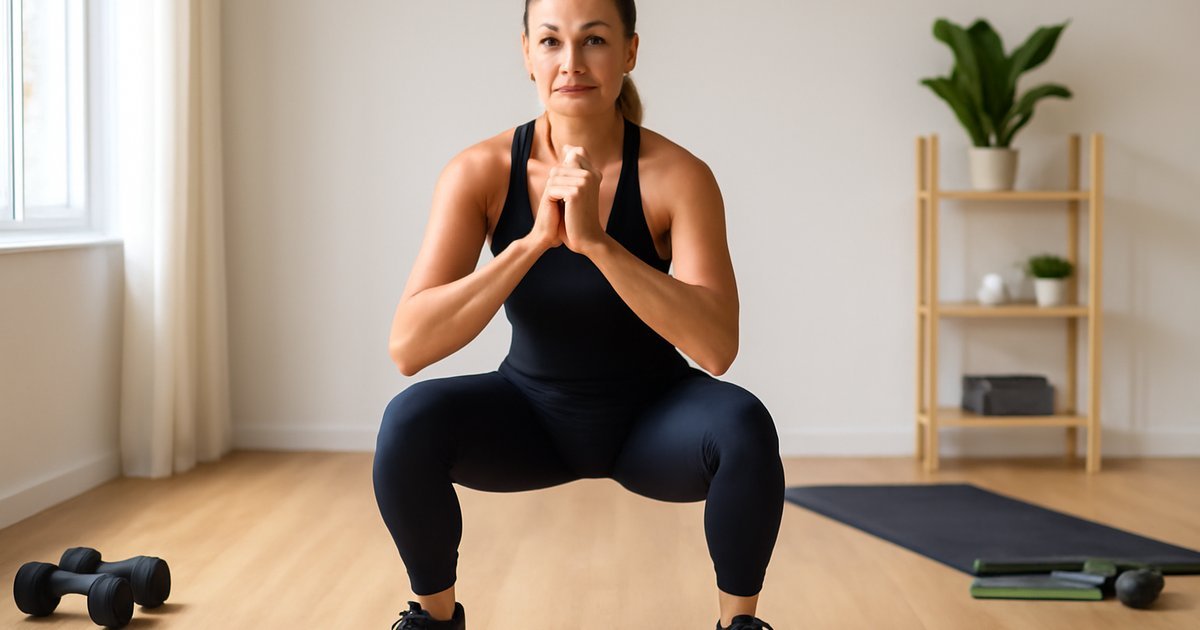
  • Circuit Training: The Complete Guide for Real Results

    Circuit Training: The Complete Guide for Real Results

    Circuit Training: The Complete Guide for Real Results

    You want a workout that builds strength, burns calories, and fits into a packed schedule — circuit training might be exactly what you’ve been missing.

    Why Most Workout Routines Stall — and What Actually Works

    Picture this: you’ve been hitting the gym consistently for six weeks, alternating between the treadmill and a few dumbbell exercises. You feel okay, but the results have plateaued. You’re not alone. According to the American College of Sports Medicine (ACSM), most adults who start a new fitness program see early gains followed by a frustrating leveling off — often because their routine lacks the variety and intensity needed to keep the body adapting.

    Circuit training is one of the most well-researched and time-efficient workout formats in exercise science. It combines strength and cardiovascular conditioning into one seamless session, making it ideal for busy adults who want more from their time in the gym — or at home.

    In this guide, you’ll learn exactly how circuit training works, the science behind why it’s so effective, how to get started regardless of your current fitness level, and the most common mistakes that keep people from seeing real progress. Whether you’re 28 or 58, this approach can be adapted to work for you.


    Why Circuit Training Matters More Than You Think

    Most adults are dealing with a double constraint: limited time and a need for results that go beyond just “staying active.” They want better cardiovascular health, improved muscle tone, more energy, and ideally, healthy body composition. Circuit training addresses all four — simultaneously.

    A study published in the Journal of Strength and Conditioning Research found that circuit training produced significant improvements in aerobic capacity, muscular endurance, and body composition in adults who performed it three times per week for eight weeks. Participants spent less than 40 minutes per session.

    What makes circuit training particularly relevant to daily life is its transferability. Unlike isolated gym machines that train one muscle in one plane of motion, circuit training typically involves compound movements — exercises that recruit multiple muscle groups at once. This translates directly to real-world physical resilience: carrying groceries, climbing stairs, playing with your kids without gasping for breath by the second lap around the yard.

    The American Heart Association (AHA) also recognizes combined aerobic and resistance training as one of the most effective approaches for reducing cardiovascular risk factors, including elevated blood pressure, blood sugar dysregulation, and unhealthy cholesterol ratios. When done consistently, circuit training isn’t just a fitness strategy — it’s a long-term health investment.


    The Science Behind Circuit Training: How It Actually Works

    Circuit training involves moving from one exercise to the next with minimal rest between movements, completing a “circuit” of several exercises before resting. That structure is deceptively simple but physiologically powerful.

    Here’s what’s happening inside your body during a typical circuit:

    First, because you’re transitioning quickly between exercises targeting different muscle groups, your heart rate stays elevated throughout the session. This creates a cardiovascular training effect — similar to moderate-intensity cardio — even when you’re lifting weights. That’s the key distinction from traditional strength training, where rest periods allow your heart rate to drop significantly between sets.

    Second, the combination of resistance movements and elevated heart rate triggers what researchers call excess post-exercise oxygen consumption (EPOC) — the body’s need to consume additional oxygen after exercise to restore itself to baseline. A study in the European Journal of Applied Physiology found that high-intensity circuit-style training elevated metabolic rate for up to 24 hours post-workout, meaning you continue burning energy even after the session ends. Results vary depending on fitness level, age, and workout intensity.

    Common myth to bust: Many people believe you need to separate cardio days from strength days to get the benefits of both. In reality, well-designed circuit training can develop both concurrently — especially for beginner to intermediate exercisers. Advanced athletes may still benefit from more specialized programming, but for most adults, circuits offer more than enough stimulus for consistent progress.

    For more on how to build on these principles over time, check out our guide on Progressive Overload: The Key to Consistent Fitness Gains.


    How to Get Started: Practical Steps by Level

    The beauty of circuit training is that it’s fully scalable. Here’s how to approach it based on where you’re starting from.

    Beginner (0-6 months of consistent training)

    1. Choose 5-6 exercises that cover major muscle groups: a squat variation, a push movement, a pull movement, a hinge, and a core exercise.
    2. Use bodyweight or light resistance to prioritize form over intensity.
    3. Work for 30 seconds per exercise, rest for 30-45 seconds between movements.
    4. Complete 2-3 rounds with a 90-second rest between circuits.
    5. Aim for 2 sessions per week to start, adding a third when you feel ready.

    Sample beginner circuit: Bodyweight squats → Push-ups (modified on knees if needed) → Bent-over dumbbell rows → Glute bridges → Plank hold → Jumping jacks (or marching in place)

    Intermediate (6+ months of consistent training)

    1. Increase to 6-8 exercises per circuit, adding complexity and load.
    2. Work for 40-45 seconds per exercise, rest for 20-30 seconds.
    3. Complete 3-4 rounds with 60-90 seconds of rest between circuits.
    4. Incorporate compound lifts with moderate resistance: goblet squats, dumbbell lunges, push-up variations, dumbbell deadlifts.
    5. Train 3 times per week, allowing at least one rest day between sessions.

    Advanced

    1. Integrate barbell movements, kettlebells, or plyometric elements for greater intensity.
    2. Manipulate work-to-rest ratios — for example, 50 seconds on, 10 seconds off.
    3. Consider timed circuits with density goals: completing more reps in the same time each week.
    4. Combine with dedicated strength days if hypertrophy is a primary goal.

    If you’re training at home without equipment, see how circuit principles apply beautifully to Calisthenics for Adults: Build Real Strength Anywhere.


    Common Mistakes That Sabotage Circuit Training Results

    Circuit training looks simple on paper, but there are several easy-to-make errors that can stall progress or lead to injury. These mistakes happen to well-intentioned people at every fitness level.

    Mistake 1: Going Too Heavy Too Soon

    Because the goal of circuit training involves keeping rest short, using loads that are too heavy leads to form breakdown — especially in later rounds when fatigue sets in. This isn’t just inefficient; it increases injury risk significantly.

    Fix it: Choose a weight you can lift for 15+ reps in a fresh state. During a circuit, you’ll likely complete 10-12 before moving on. This keeps intensity appropriate while protecting your joints and spine.

    Mistake 2: Skipping the Warm-Up

    Jumping straight into a circuit when your body is cold is a fast track to pulled muscles and poor performance. The ACSM recommends at least 5-10 minutes of dynamic warm-up activity before any resistance-based training.

    Fix it: Spend 5-8 minutes on light cardio (brisk walking, cycling), followed by dynamic movements like leg swings, arm circles, bodyweight squats, and hip hinges. Your performance in round one — and every round after — will be noticeably better.

    Mistake 3: Not Tracking Progression

    One of the biggest pitfalls of circuit training is doing the same workout, with the same weights, at the same pace — indefinitely. Without progression, the body adapts and stops changing.

    Fix it: Keep a simple training log. Record your exercises, weights used, rounds completed, and how you felt. Every two weeks, look for one way to increase the challenge: add a round, reduce rest time, or increase load by 5%.

    Mistake 4: Ignoring Mobility and Recovery

    Circuit training is demanding. Doing it three or four days in a row without intentional recovery sabotages both results and longevity. Harvard Health Publishing notes that recovery is when muscle repair and adaptation actually occur — the workout is simply the stimulus.

    Fix it: Build in at least one full rest day between sessions. Add 5-10 minutes of static stretching or foam rolling after each circuit. For a deeper dive into this piece of the puzzle, check out our guide on Mobility Training: Move Better, Feel Stronger Every Day.


    What to Eat to Support Your Circuit Training

    What you eat around your workouts directly affects your energy, recovery, and long-term results. You don’t need a complicated nutrition plan — but a few targeted habits make a real difference.

    Before your workout (1-2 hours prior):
    Aim for a balanced meal containing 30-40g of complex carbohydrates and 15-20g of protein. Good examples include oatmeal with Greek yogurt, a turkey sandwich on whole-grain bread, or a banana with a protein shake. The Academy of Nutrition and Dietetics recommends prioritizing carbohydrates before exercise for energy and protein to support muscle preservation.

    After your workout (within 30-60 minutes):
    Post-workout nutrition matters most for recovery. Target 20-30g of high-quality protein alongside moderate carbohydrates to replenish glycogen and initiate muscle repair. Examples: grilled chicken with brown rice and vegetables, cottage cheese with fruit, or eggs with whole-grain toast.

    Throughout the day:
    Hydration is non-negotiable. Even mild dehydration — as little as 2% of body weight lost in fluids — can impair strength output and endurance. The USDA Dietary Guidelines recommend about 3.7 liters of total water daily for men and 2.7 liters for women, including water from food sources.

    Foods to limit: Highly processed foods high in refined sugar and trans fats can increase systemic inflammation, which slows recovery. This doesn’t mean strict elimination — but moderation is genuinely impactful when you’re asking your body to perform and repair consistently.


    How Long Until You See Results — and What to Track

    One of the most common frustrations in fitness is not knowing whether something is actually working. Here’s what the research and practical experience suggest for circuit training timelines.

    Weeks 1-2: Expect muscle soreness, improved sleep quality, and a general sense of increased energy. You likely won’t see visible body changes yet, but your nervous system is already adapting — coordination, exercise efficiency, and work capacity are all improving.

    Weeks 3-6: Strength increases become noticeable. You’ll complete more reps, move through circuits faster, and feel significantly less winded. Body composition changes may begin to appear, especially around the midsection. Research published in Medicine & Science in Sports & Exercise suggests that measurable cardiovascular adaptations are typically detectable within 4-6 weeks of consistent training.

    Weeks 6-12: For many adults, this is when visible changes in muscle definition and body composition become apparent. Energy levels outside of workouts often improve significantly. Sleep quality tends to stabilize and deepen.

    What to track:

    • Number of rounds completed per session
    • Weights used per exercise
    • Resting heart rate (a drop over time signals improved cardiovascular fitness)
    • How you feel during daily activities — stairs, carrying loads, sustained energy
    • Body measurements, if relevant (waist, hips, arms) — more reliable than scale weight alone

    When to seek guidance: If you’ve been training consistently for 12 weeks without any measurable progress, consult a certified personal trainer (look for NASM, ACE, or ACSM credentials) or your primary care provider. Results genuinely vary based on age, hormonal status, sleep quality, stress levels, and nutrition.


    Frequently Asked Questions

    How many days per week should I do circuit training?
    For most adults, 3 sessions per week is the sweet spot — enough to see consistent progress while allowing adequate recovery. If you’re just starting out, 2 sessions per week is perfectly appropriate and still highly effective. More is not always better, especially in the early weeks.

    Can circuit training help me lose weight?
    Circuit training can support healthy body weight management as part of an overall healthy lifestyle that includes balanced nutrition. It helps build lean muscle (which supports a healthy resting metabolic rate) and burns significant calories per session. However, no workout program alone guarantees weight loss — caloric intake, sleep, stress, and consistency all play important roles.

    Is circuit training safe for people with joint issues or older adults?
    For many people with mild joint concerns or older adults, circuit training can be adapted to be very joint-friendly by emphasizing low-impact movements, lighter loads, and longer rest periods. That said, if you have a diagnosed condition like osteoarthritis or a previous injury, consult your healthcare provider or a physical therapist before starting. This approach truly depends on your individual baseline.

    Do I need equipment for circuit training?
    Absolutely not. Highly effective circuits can be built entirely from bodyweight movements — squats, push-ups, lunges, planks, mountain climbers, and dips. Equipment like resistance bands, dumbbells, or kettlebells adds variety and load, but it is not a prerequisite for meaningful results.

    How long should a circuit training session be?
    Most well-designed circuit sessions run between 25 and 45 minutes, including warm-up and cool-down. This time frame is backed by the ACSM’s recommendations for combined aerobic and resistance training for general health. The focus should be on quality of effort within that window, not simply logging more time.


    Your Next Step Starts With One Circuit

    Circuit training isn’t a trend — it’s one of the most time-tested, evidence-supported workout formats available to adults who want real, lasting results without spending two hours at the gym every day. Whether you’re building from zero or looking to shake up a stalled routine, the structure is flexible enough to meet you where you are.

    Small, consistent effort beats occasional intensity every single time. Start with two sessions this week. Pick five exercises, set a timer, and move. Then show up again. That repetition — week after week — is where the real transformation happens.

    You don’t have to be perfect. You just have to keep going.


    Wellness Disclaimer: This article is for informational and educational purposes only. The content is not intended to replace professional medical, nutritional, or fitness advice. Always consult a qualified healthcare provider, registered dietitian, or certified fitness professional before starting a new health program or making significant changes to your lifestyle.

    Content reviewed by our wellness editorial team, with references to peer-reviewed research and guidelines from leading health organizations.