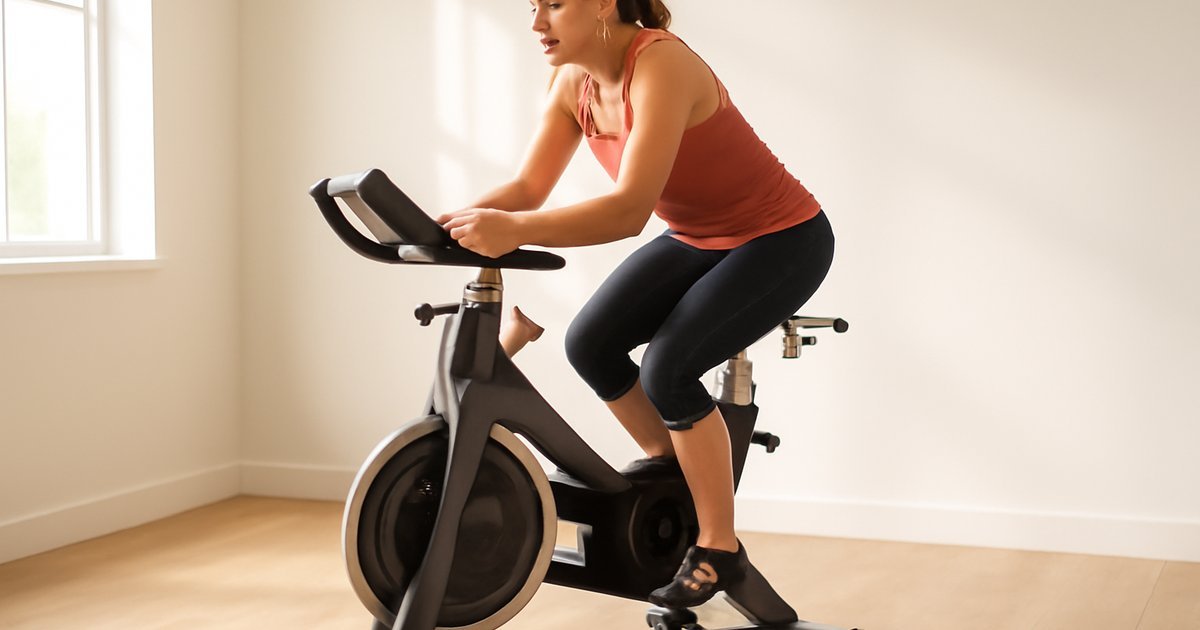
Indoor Cycling: The Complete Fitness Guide for Adults
You don’t need a fancy gym or a perfect fitness base — just a bike, a goal, and the right plan to make every pedal stroke count.
Picture this: it’s 6:30 a.m., the gym is packed, and you’re not exactly thrilled about waiting for a treadmill. Then someone walks past you into the spin studio, clips in, and within minutes is completely locked in — no distractions, just rhythm, resistance, and real effort. You think, maybe I should try that.
Indoor cycling — whether on a traditional spin bike, a studio class bike, or a connected smart trainer — has become one of the most consistently popular cardio formats among US adults. And for good reason. It’s low-impact, scalable to any fitness level, and delivers meaningful cardiovascular and metabolic benefits without destroying your joints.
But like any training method, getting the most out of indoor cycling requires more than just hopping on and pedaling. In this complete guide, you’ll learn the science behind why it works, how to start smart, what mistakes to avoid, and how to track real progress over time.
Why Indoor Cycling Matters More Than You Think
Cardiovascular disease remains the leading cause of death in the United States, according to the American Heart Association. Yet only about 23% of American adults meet the federal guidelines for both aerobic and muscle-strengthening activity. The gap between knowing we should exercise and actually doing it consistently is enormous — and often, the barrier is joint pain, intimidation, or boredom.
Indoor cycling addresses all three. Because the bike supports your body weight, there’s minimal stress on the knees, hips, and ankles compared to running or jumping. That makes it accessible for adults returning from injury, those managing mild osteoarthritis, or anyone who simply finds high-impact cardio unsustainable long-term.
A study published in the Journal of Exercise Physiology found that participants who completed an eight-week indoor cycling program showed significant improvements in VO2 max, resting heart rate, and body composition — without the injury rates typically associated with high-intensity training. That’s a meaningful combination of outcomes.
Beyond the physical metrics, indoor cycling is also mentally engaging. The structured nature of interval-based rides, the music, the coaching cues (in class formats), and the measurable feedback on resistance and cadence give your brain something to work with — which helps with adherence over time.
The Science Behind Indoor Cycling and How It Actually Works
Indoor cycling is primarily an aerobic exercise, but what makes it powerful is its ability to move fluidly between aerobic and anaerobic zones depending on how you adjust resistance and cadence. This is the foundation of its metabolic value.
When you pedal at moderate resistance and a steady cadence, you’re training your aerobic energy system — improving heart efficiency, mitochondrial density, and fat oxidation. When you spike the resistance or sprint, you push into anaerobic territory, recruiting fast-twitch muscle fibers and triggering hormonal responses that support muscle development and post-exercise calorie burn.
One common myth worth busting: many people believe indoor cycling is only for cardio and won’t build any muscle. That’s not accurate. Consistent cycling at higher resistance engages the quadriceps, hamstrings, glutes, and calves in ways that produce meaningful muscular endurance and, over time, hypertrophic adaptations — especially in beginners and intermediates. Research from the International Journal of Sports Physiology and Performance supports that resistance-based cycling improves lower-body muscular strength alongside aerobic capacity.
Heart rate zones matter significantly in indoor cycling. The American College of Sports Medicine (ACSM) recommends training across multiple zones for well-rounded cardiovascular development. Zone 2 work (roughly 60–70% of max heart rate) builds your aerobic base, while Zone 4–5 intervals drive peak performance gains. A well-designed indoor cycling session typically incorporates both.
If you’re interested in understanding Zone 2 cardio more deeply, this guide on rowing machine workouts covers overlapping cardiovascular principles with a different equipment focus.
How to Get Started: From First Ride to Real Consistency
Starting indoor cycling doesn’t require a boutique studio membership or a $2,000 connected bike. What it does require is a proper setup and a realistic plan.
Step 1: Get your bike fit right
Before your first ride, adjust the seat height so there’s a slight bend in your knee at the bottom of the pedal stroke — roughly 25 to 35 degrees. Set the handlebar height at or slightly above seat level to reduce lower back strain. A poor fit is one of the most common sources of discomfort for new riders.
Step 2: Start with 20–30 minute sessions
For beginners, three sessions per week at 20–30 minutes each is an appropriate starting point. Don’t rush to 60-minute rides. Building cardiovascular base and saddle comfort takes time — typically two to four weeks before longer sessions feel natural.
Step 3: Learn cadence and resistance basics
Cadence refers to pedal revolutions per minute (RPM). For most structured rides, a comfortable cadence falls between 80–100 RPM on flat efforts and 60–75 RPM during climbs with heavier resistance. Use resistance as your primary intensity lever — not just speed.
Step 4: Follow a structured format
A basic beginner session might look like this:
- 5-minute warm-up at low resistance (70–80 RPM)
- 15–20 minutes of steady-state moderate effort (80–85 RPM, moderate resistance)
- 5-minute cooldown with gradual resistance reduction
Intermediate option: Introduce 30-second resistance intervals every 3–4 minutes during the main block. This begins incorporating anaerobic stimulus without overwhelming your system.
Advanced option: Structure rides using heart rate zones or power output (watts, if your bike measures it). Pyramid intervals, lactate threshold work, and sprint repeats become the focus at this stage.
Common Mistakes That Sabotage Your Indoor Cycling Results
Most people who plateau or quit indoor cycling aren’t failing because of effort — they’re failing because of a few fixable errors. Here are the ones that come up most often.
Mistake 1: Riding at the same intensity every session
This is sometimes called "junk miles" — moderate effort that never challenges your system enough to drive adaptation. If every ride feels roughly the same, your body stops responding. Fix this by deliberately varying intensity: some rides should feel easy (Zone 2 recovery), others should feel genuinely hard (Zone 4–5 intervals). Varying the stimulus is the entire point.
Mistake 2: Ignoring saddle discomfort instead of fixing it
Soreness in the first week is normal — your sit bones are adapting. But persistent discomfort after two weeks usually signals a fit problem or the wrong saddle. Padded cycling shorts make a significant difference. Don’t white-knuckle through pain that has a simple solution.
Mistake 3: Skipping the warm-up
Jumping into high-resistance efforts without a proper warm-up increases injury risk and reduces performance. Research published in the Journal of Strength and Conditioning Research consistently shows that a 5–10 minute aerobic warm-up improves subsequent performance output and reduces muscle strain. It’s not optional — it’s part of the session.
Mistake 4: Relying solely on indoor cycling for fitness
Indoor cycling is excellent cardio but doesn’t address upper body strength or functional movement patterns. Pairing it with two days of resistance training per week — even bodyweight work — creates a more complete fitness foundation. If you’re curious about equipment-based resistance options, this dumbbell training guide is a strong complement to a cycling program.
Mistake 5: Not fueling appropriately
For rides under 45 minutes, you likely don’t need to eat beforehand. But for sessions of 60 minutes or more, going in underfueled leads to early fatigue and poor performance. A small carbohydrate-containing snack (banana, toast with nut butter) 45–60 minutes before longer rides supports sustained output.
Nutrition to Support Your Indoor Cycling Training
You can’t out-ride a poor diet — and the right nutritional approach can meaningfully improve your performance and recovery on the bike.
Carbohydrates: Cycling is a carbohydrate-dependent activity, particularly at moderate to high intensities. The Academy of Nutrition and Dietetics recommends that active adults consuming regular cardio training prioritize complex carbohydrates — oats, sweet potatoes, whole grain bread, rice — as primary fuel sources. Aim for roughly 45–65% of daily calories from carbohydrates if cycling is a consistent part of your week.
Protein: Recovery starts with protein. Muscle repair and adaptation require adequate protein intake — approximately 1.2 to 1.6 grams per kilogram of body weight daily for active adults, per the ACSM. Prioritize high-quality sources like eggs, chicken, Greek yogurt, legumes, and fish in your post-ride meals.
Hydration: Sweat rates on a stationary bike can be surprisingly high due to limited airflow. Harvard Health Publishing notes that even mild dehydration (1–2% body weight) can reduce endurance performance and increase perceived effort. Drink 16–20 oz of water in the two hours before a session, and sip regularly during rides longer than 30 minutes.
What to avoid: Heavy, high-fat meals within 90 minutes of riding tend to cause GI discomfort and sluggish performance. Alcohol the night before a high-intensity session disrupts sleep quality and blunts recovery — both of which directly impact next-day performance.
How Long Until You See Results — and What to Track
Realistic expectations are the foundation of long-term consistency. Here’s what the research and practical experience suggest:
Weeks 1–2: You’ll notice improved breathing efficiency and reduced perceived effort at the same intensity. This is your cardiovascular system adapting. Muscle soreness in the glutes and quads is normal.
Weeks 3–4: Aerobic capacity measurably improves. Most beginners can sustain longer efforts with less fatigue. Sleep quality often improves during this window as well, which compounds recovery.
Weeks 6–8: Body composition changes begin to show — particularly if nutrition is aligned. Research from the Journal of Exercise Physiology found meaningful reductions in body fat percentage after eight weeks of structured cycling. Results vary significantly based on starting fitness, frequency, and dietary habits.
What to track:
- Resting heart rate (lower over time = improved cardiovascular fitness)
- Average heart rate during the same standardized session
- Perceived exertion at a fixed resistance/cadence combination
- Session duration and weekly volume
- Recovery time after high-intensity intervals
If you’ve been riding consistently for 8–10 weeks without noticeable improvement in any of these markers, that’s a signal to reassess your program — or speak with a certified fitness professional about periodization.
Frequently Asked Questions
Is indoor cycling good for weight loss?
Indoor cycling can support weight loss as part of a broader approach that includes appropriate nutrition and a modest caloric deficit. A 45-minute moderate-to-vigorous cycling session can burn 400–600 calories depending on body weight and intensity, according to Mayo Clinic estimates. However, exercise alone — without dietary awareness — rarely produces significant fat loss.
How many days a week should I cycle indoors?
For general fitness, three to four sessions per week is an effective range for most adults. ACSM recommends at least 150 minutes of moderate-intensity aerobic activity weekly — three 50-minute sessions or four 40-minute sessions would meet this. Allow at least one recovery day between intense sessions.
Will indoor cycling hurt my knees?
When set up correctly, indoor cycling is one of the most knee-friendly cardio modalities available. Improper seat height is the primary culprit behind knee discomfort. If pain persists beyond setup correction, consult a sports medicine provider or physical therapist before continuing.
Can I build muscle with indoor cycling alone?
You can develop meaningful muscular endurance in the lower body — particularly the quads, glutes, and hamstrings — through resistance-based cycling. However, for significant hypertrophy or upper body strength, pairing cycling with resistance training produces far better overall results. Consider exploring kettlebell training as a complementary strength option.
Do I need special shoes for indoor cycling?
Not necessarily. Many spin bikes accommodate standard athletic shoes in caged pedals. Cycling-specific shoes with cleats that clip into SPD or Look Delta pedals improve power transfer and foot stability, which can be worthwhile if you’re riding three or more times per week. It’s an upgrade, not a requirement to start.
Your Next Step Starts With One Ride
Indoor cycling is one of the most accessible, joint-friendly, and genuinely effective cardio tools available to adults who want to build real cardiovascular fitness without grinding through workouts that hurt. The science supports it. The flexibility suits busy schedules. And the learning curve is manageable — even if your first ride leaves your legs shaking a little.
You don’t need to be fit to start. You need to start to get fit. Whether you’re joining a studio class, setting up a bike at home, or using a connected smart trainer, the fundamentals here give you everything you need to ride smarter from day one.
Pick your first session, set up your bike properly, and just ride. Consistency built over weeks beats intensity burned out in days — every single time.
Wellness Disclaimer: This article is for informational and educational purposes only. The content is not intended to replace professional medical, nutritional, or fitness advice. Always consult a qualified healthcare provider, registered dietitian, or certified fitness professional before starting a new health program or making significant changes to your lifestyle.
Author Line: Content reviewed by our wellness editorial team, with references to peer-reviewed research and guidelines from leading health organizations.