Tag: injury prevention

  • Mobility Training: Move Better, Feel Stronger Every Day

    Mobility Training: Move Better, Feel Stronger Every Day

    Mobility Training: Move Better, Feel Stronger Every Day

    You don’t have to be injured or inflexible to benefit from mobility work — but if you skip it long enough, you probably will be.

    Picture this: you bend down to pick something up off the floor and feel a sharp pull in your lower back. Or you try to reach overhead at the gym and your shoulders just… won’t cooperate. Maybe you’ve noticed that getting up from the floor takes more effort than it used to. These aren’t signs that you’re getting old — they’re signs that your joints and tissues need more deliberate attention than most workout routines provide.

    Mobility training is one of the most underrated pillars of fitness. It’s not just stretching. It’s not just warming up. It’s a targeted practice that improves your joints’ ability to move through their full range of motion with control and strength — and research shows it has significant effects on performance, injury prevention, and long-term physical function.

    In this guide, you’ll learn exactly what mobility training is, why it matters at every fitness level, how to build a practical routine, and what results you can realistically expect. Whether you’re a gym regular or someone who mostly sits at a desk, this is for you.

    Why Mobility Training Matters More Than You Think

    Most people focus on strength, cardio, or aesthetics — and mobility gets treated as an afterthought, if it gets any attention at all. That’s a costly oversight.

    According to the American College of Sports Medicine (ACSM), flexibility and mobility training are one of the five core components of physical fitness, alongside cardiorespiratory endurance, muscular strength, muscular endurance, and body composition. Yet it’s consistently the most neglected.

    Here’s why that matters in real life: when your joints can’t move through their full range of motion, your body compensates. Your lower back takes over for tight hips. Your neck strains because your thoracic spine is stiff. Your knees bear extra load because your ankles lack dorsiflexion. Over time, these compensation patterns lead to pain, dysfunction, and eventually injury.

    A 2019 study published in the Journal of Strength and Conditioning Research found that individuals with greater hip and ankle mobility demonstrated significantly better movement mechanics during fundamental exercises like squats and deadlifts — and lower rates of knee and lumbar complaints. The connection between mobility and injury risk is well-established.

    Beyond injury prevention, mobility work directly improves how you perform in every other type of exercise. Better shoulder mobility means more effective pressing and pulling movements. Better hip mobility allows deeper, more powerful squats. As noted by functional fitness principles, the ability to move well in multiple planes of motion is foundational to real-world physical capacity.

    The Science Behind Mobility: How It Actually Works

    Mobility is often confused with flexibility — but they’re not the same thing. Flexibility is your muscle’s passive ability to lengthen. Mobility is your joint’s active ability to move through a range of motion with control. You can be flexible without being mobile, and that distinction changes everything about how you train.

    When you improve mobility, you’re working on several interconnected systems: joint capsule health, connective tissue extensibility, neuromuscular control, and motor patterning. It’s not just about how far you can move — it’s about how well you can control that movement.

    One common myth is that you need to hold long static stretches to improve mobility. The research actually tells a more nuanced story. A meta-analysis published in the British Journal of Sports Medicine found that while static stretching improves passive range of motion, active mobility drills — movements where you control the joint through its range — produce more functional and lasting results, particularly for athletic performance and injury prevention.

    Fascia, the connective tissue that wraps around your muscles and joints, also plays a major role. Research from Harvard Medical School suggests that fascia responds well to consistent, controlled movement and loading — not just passive lengthening. This is why mobility training incorporates dynamic movement patterns rather than simply holding poses.

    The nervous system is equally important. Many mobility restrictions aren’t purely structural — they’re neurological. Your nervous system limits range of motion as a protective mechanism. Deliberate mobility practice essentially "teaches" your nervous system that it’s safe to access greater ranges, gradually expanding what’s available to you.

    How to Get Started: Your Practical Mobility Routine

    The good news is that you don’t need a lot of time or equipment to build meaningful mobility. Consistency matters far more than duration or complexity.

    Beginner Level (10–15 minutes, 3–4x per week):

    Start with the five areas most people restrict in daily life: ankles, hips, thoracic spine, shoulders, and wrists. A simple daily circuit might look like this:

    1. Ankle Circles and Dorsiflexion Rocks (60 seconds per side): Sit in a squat position or kneel and rock your knee forward over your toes. This directly improves squat depth and reduces knee strain.
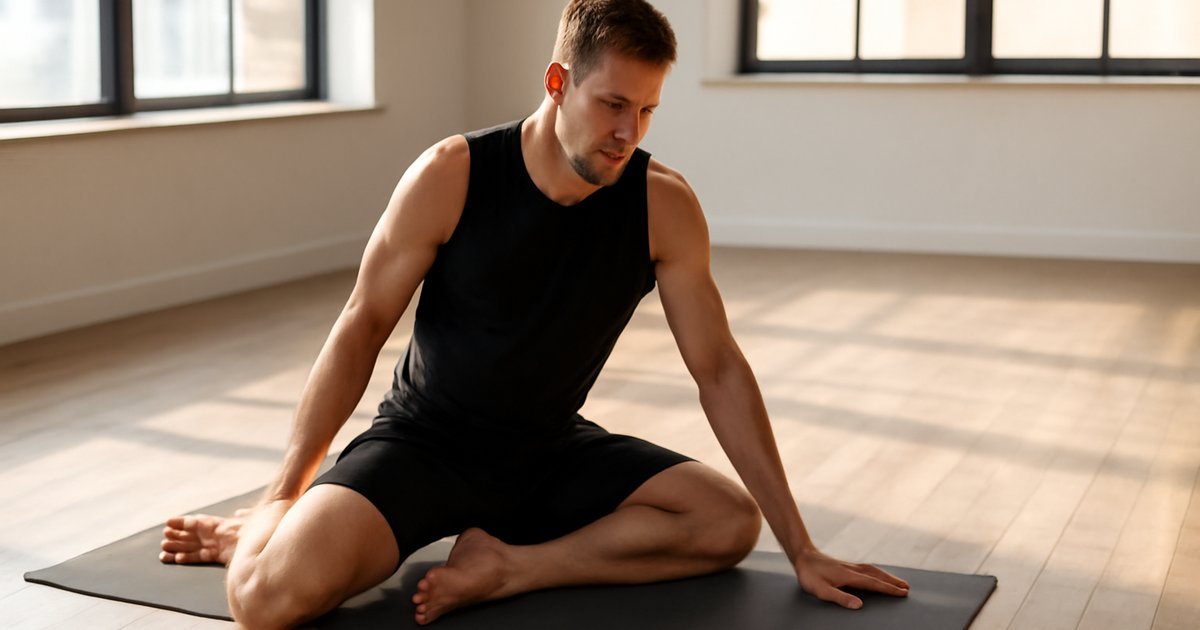
    2. 90/90 Hip Switches (60–90 seconds): Sit on the floor with both legs bent to 90 degrees. Slowly rotate your hips from side to side, keeping your torso upright. One of the most effective hip mobility drills available.
    3. Cat-Cow with Thoracic Rotation (10 reps each): Begin on all fours, cycle through spinal flexion and extension, then add a rotation — threading one arm under your body and reaching toward the ceiling. Targets the mid-back, which stiffens from prolonged sitting.
    4. Shoulder CARs — Controlled Articular Rotations (5 reps per arm): Slowly rotate your shoulder through its full range in a controlled circle. This technique, popularized by the Functional Range Conditioning system, trains joint health directly.
    5. Deep Squat Hold (30–60 seconds): Use a doorframe or TRX strap for support if needed. Simply maintaining this position consistently builds significant hip, ankle, and lower back mobility over time.

    Intermediate Level: Add end-range isometric holds — get to the edge of your range of motion and squeeze the muscles there for 5–10 seconds. This builds active mobility, not just passive flexibility. Incorporate tools like a foam roller for myofascial release before your mobility work.

    Advanced Level: Incorporate loaded mobility — using light resistance bands or weights at end ranges (e.g., goblet squat holds, Jefferson curls with light loading). This builds strength through full ranges and translates directly to performance. Consider pairing with progressive overload principles to gradually increase challenge in your mobility practice.

    Common Mistakes That Sabotage Your Mobility Progress

    Mobility training sounds simple — and it is — but there are a few common errors that significantly slow results or even cause setbacks.

    Mistake 1: Confusing pain with progress. Feeling a deep stretch is normal. Feeling sharp, pinching, or joint pain is not. Mobility work should feel intense but not painful. Many beginners push too hard too fast and aggravate existing restrictions. Fix it: stay at a 6 or 7 out of 10 on sensation intensity. If you feel pinching in a joint, back off immediately.

    Mistake 2: Only doing static stretching and calling it mobility work. Holding a hamstring stretch for 30 seconds may improve passive flexibility, but it won’t build the active control needed for functional movement. Fix it: balance passive stretches with active drills like leg lifts, controlled rotations, and end-range isometrics. This is the difference between going through a range and owning it.

    Mistake 3: Doing mobility work only when something hurts. This is the equivalent of only brushing your teeth when you have a toothache. Mobility work is most effective as a preventive practice. Fix it: schedule it like any other workout. Even 10 minutes before bed or first thing in the morning compounds significantly over weeks and months.

    Mistake 4: Ignoring the areas you’re weakest in. It’s natural to gravitate toward drills that feel good — usually the areas that are already mobile. But the restriction points are where you need the most attention. Fix it: do a basic movement screen (or work with a physical therapist or certified trainer) to identify your actual limitations, not just where you feel tight.

    Mistake 5: Skipping recovery. Tissues adapt between sessions, not during them. Poor sleep, chronic stress, and dehydration all impair connective tissue recovery. Research from the National Institutes of Health links sleep deprivation to increased musculoskeletal stiffness and reduced tissue repair. Fix it: treat sleep and hydration as part of your mobility protocol, not separate from it.

    What to Eat to Support Joint and Connective Tissue Health

    Mobility training creates the stimulus for change — but what you eat determines how well your tissues respond and recover.

    Collagen-supporting nutrients: Collagen is the primary structural protein in tendons, ligaments, and cartilage. Vitamin C is essential for collagen synthesis. According to research published in the American Journal of Clinical Nutrition, consuming 15 grams of gelatin or collagen peptides with 50 mg of vitamin C approximately 30–60 minutes before exercise significantly increased collagen synthesis in tendons and connective tissues. Foods like citrus fruits, bell peppers, and leafy greens provide excellent vitamin C sources.

    Omega-3 fatty acids: Found in fatty fish (salmon, sardines, mackerel), walnuts, and flaxseeds, omega-3s have well-documented anti-inflammatory effects that support joint comfort and tissue recovery. The Academy of Nutrition and Dietetics recommends at least two servings of fatty fish per week.

    Protein adequacy: Your muscles, tendons, and ligaments are built from protein. Inadequate protein intake impairs tissue repair and adaptation. USDA Dietary Guidelines and sports nutrition research suggest aiming for 0.7–1 gram of protein per pound of body weight for active adults. You can explore more on this in the optimal protein intake guide.

    Hydration: Joint cartilage is largely water. Even mild dehydration reduces synovial fluid production, increasing friction in joints. Mayo Clinic recommends approximately 3.7 liters (125 oz) of total daily water intake for men and 2.7 liters (91 oz) for women, from all sources.

    Anti-inflammatory foods: Berries, turmeric, ginger, dark leafy greens, and olive oil all contribute to a dietary pattern that reduces systemic inflammation — which directly affects how your joints feel and recover. Avoid excess processed foods and added sugars, which research consistently links to elevated inflammatory markers.

    How Long Until You See Results — and What to Track

    This is where honest expectations matter. Mobility improvements take longer than most people expect and happen more gradually than strength or cardiovascular gains. That’s not a reason to skip them — it’s a reason to start now.

    Research suggests that consistent mobility training produces measurable improvements in range of motion within 4–8 weeks. However, the functional benefits — moving better, feeling less stiff, lifting with more ease — often appear sooner, sometimes within 2–3 weeks, as the nervous system adapts before the structural tissues do.

    Results vary significantly based on your starting point, training history, age, and consistency. Someone who has been sedentary for years may notice faster initial gains than a trained athlete trying to unlock the last 10% of a restricted range.

    What to track:

    • Squat depth: Can you squat to parallel with a neutral spine? With your heels on the ground? This is a useful baseline marker.
    • Shoulder reach: Can you raise both arms straight overhead without your lower back arching? A simple wall test reveals a lot.
    • Morning stiffness: Note how long it takes to feel "loose" in the morning. This typically decreases within 2–4 weeks of consistent practice.
    • Exercise performance: Are your squats feeling deeper? Your pressing movements smoother? These functional gains confirm that your mobility work is transferring.

    If you’ve been consistent for 8–12 weeks without noticeable progress, consider consulting a physical therapist or certified mobility specialist. Some restrictions — particularly around joints with past injuries or structural changes — may require professional assessment.

    Frequently Asked Questions About Mobility Training

    Is mobility training the same as stretching?
    Not exactly. Stretching typically refers to passive lengthening of muscles. Mobility training is broader — it includes active range-of-motion work, joint circles, controlled movements through end ranges, and strength in those positions. Think of stretching as a component of mobility, not the whole picture.

    How often should I do mobility training?
    Daily practice is ideal, even if it’s just 10–15 minutes. Unlike heavy strength training, mobility work doesn’t require significant recovery time. Short, frequent sessions produce better results than one long weekly session. ACSM recommends flexibility work at least 2–3 days per week at minimum.

    Can mobility training help with chronic back or joint pain?
    For many people, yes — but this depends heavily on the cause of the pain. Mobility restrictions often contribute to compensatory patterns that cause discomfort. However, if you have a diagnosed condition like a herniated disc, osteoarthritis, or previous injury, always consult a healthcare provider or physical therapist before beginning a new mobility practice.

    Should I do mobility work before or after my workout?
    Both have a place. Dynamic mobility drills (active, movement-based) are ideal before training to prepare joints and activate ranges. Static and restorative mobility work is better suited for post-workout or standalone sessions. Avoid heavy static stretching immediately before intense strength training — research suggests it may temporarily reduce force production.

    I’m not an athlete. Do I still need mobility training?
    Absolutely — arguably more so. Non-athletes tend to spend more time in fixed positions (sitting, driving, screen time) that progressively restrict joint range of motion. Mobility training is arguably most impactful for sedentary or lightly active adults, where small improvements translate directly into better quality of daily movement and reduced discomfort.

    Your Move Starts Today

    Mobility training isn’t glamorous. It won’t make for a dramatic before-and-after photo. But it might be the single most impactful addition you can make to your fitness routine if you want to keep moving well — not just for the next few months, but for the next few decades.

    You don’t need an hour or a perfect setup. Start with 10 minutes. Pick two or three drills that address your tightest areas. Do them consistently. Track how you feel, how you move, and how exercises that used to feel stiff start to feel more natural.

    Small, consistent effort applied in the right direction compounds into remarkable results. Your joints will thank you — and so will every other workout you do.


    This article is for informational and educational purposes only. The content is not intended to replace professional medical, nutritional, or fitness advice. Always consult a qualified healthcare provider, registered dietitian, or certified fitness professional before starting a new health program or making significant changes to your lifestyle.

    Content reviewed by our wellness editorial team, with references to peer-reviewed research and guidelines from leading health organizations.

  • The Smart Stretching Guide: Unlock Flexibility and Prevent Pain

    The Smart Stretching Guide: Unlock Flexibility and Prevent Pain

    Feeling stiff, achy, or just not moving as freely as you used to? You’re not alone. Many adults experience “movement rust” — that uncomfortable sensation of tightness, limited range of motion, and even nagging aches that seem to settle in over time. We often push through our workouts or daily tasks, completely overlooking one of the most fundamental aspects of physical well-being: smart stretching.

    It’s easy to skip stretching. It doesn’t always feel as “productive” as lifting weights or running miles, and the immediate gratification can be subtle. But neglecting proper flexibility can silently sabotage your fitness goals, increase your risk of injury, and even impact your mental well-being. This isn’t about becoming a contortionist; it’s about reclaiming your body’s natural ability to move with ease and preventing stiffness before it becomes a problem.

    In this complete smart stretching guide, we’ll dive into the science behind effective flexibility, debunk common myths, and provide you with actionable, evidence-backed routines. You’ll learn how to integrate stretching seamlessly into your busy life, regardless of your current flexibility level, and discover how this often-underestimated practice can unlock greater strength, reduce pain, and enhance your overall quality of life.

    Why Smart Stretching Matters More Than You Think

    Stretching is much more than just “warming up” or “cooling down.” It’s a critical component of a balanced fitness routine that directly impacts your daily life, from bending down to tie your shoes to reaching for something on a high shelf. Its benefits extend far beyond simply increasing your range of motion.

    Improved Flexibility and Range of Motion

    This is the most obvious benefit. Regular stretching helps lengthen muscles and increase the elasticity of connective tissues, allowing your joints to move through their full range of motion. For instance, increased hamstring flexibility can improve your ability to touch your toes, while better shoulder mobility can help with overhead movements.

    Reduced Muscle Soreness and Quicker Recovery

    While stretching might not eliminate all post-workout soreness, it can certainly help. Gentle static stretching after exercise can aid in muscle recovery by improving blood flow and reducing lactic acid buildup. Research published in the Journal of Physical Therapy Science highlighted that static stretching, when performed consistently, can contribute to reduced perceived muscle soreness and improved hamstring flexibility.

    Enhanced Posture and Reduced Back Pain

    Many common postural issues, such as rounded shoulders or anterior pelvic tilt, stem from muscle imbalances — some muscles are too tight, others too weak. Stretching tight muscles, like hip flexors or chest muscles, can help correct these imbalances, pulling your body back into proper alignment. This, in turn, can significantly alleviate chronic back and neck pain often associated with prolonged sitting or poor movement patterns.

    Injury Prevention

    Flexible muscles are less prone to strain and tears. When muscles are tight, they are forced beyond their comfortable range during sudden movements, making them vulnerable. Stretching prepares your muscles for activity, helping them absorb shock and respond efficiently to dynamic forces, thereby reducing the risk of injuries during workouts or daily activities.

    Stress Reduction and Mental Well-being

    The physical act of stretching, especially when combined with controlled breathing, can be incredibly relaxing. It encourages mindfulness and can help release physical tension that often accumulates with stress. Taking a few minutes to stretch can act as a mini “meditation session,” calming your nervous system and promoting a sense of well-being, as often emphasized by practices like yoga.

    The Science Behind Smart Stretching: Dynamic vs. Static

    Not all stretching is created equal, and understanding the different types is key to making your routine effective and safe. The two primary categories are dynamic and static stretching, and they serve distinct purposes.

    Dynamic Stretching: Movement with Purpose

    Dynamic stretching involves moving your body through a range of motion, mimicking the movements you’re about to perform. Think arm circles, leg swings, torso twists, or walking lunges. These stretches gradually increase heart rate, blood flow to muscles, and prepare your joints for activity. They are ideal for a pre-workout warm-up.

    Myth Bust: Many people believe “always stretch before a workout” means performing long, held static stretches. However, extensive research, including guidelines from the American College of Sports Medicine (ACSM), suggests that static stretching immediately before intense activity can actually temporarily decrease muscle power and strength, potentially hindering performance for activities like sprinting or heavy lifting. For pre-workout, dynamic is typically preferred.

    Static Stretching: Held for Flexibility

    Static stretching involves holding a stretch position for a sustained period, typically 20-30 seconds, to lengthen muscles and increase flexibility. Examples include a hamstring stretch where you reach for your toes, or a triceps stretch where you pull your elbow behind your head. These are best performed when your muscles are already warm, such as after a workout or later in the day.

    The goal of static stretching is to “teach” your muscles to relax and extend further. This type of stretching is highly effective for improving long-term flexibility and addressing muscle tightness. Clinical data indicates that consistent static stretching programs can significantly improve flexibility over several weeks, especially when muscles are warm.

    Your Practical Guide to Effective Stretching Routines

    Ready to make smart stretching a part of your routine? Here’s how to get started, with options for various fitness levels. Remember to warm up with 5-10 minutes of light cardio (like marching in place or a brisk walk) before any static stretching session.

    Beginner-Friendly Routine (2-3 times per week, 15-20 seconds per stretch)

    1. Neck Rolls: Gently roll your head from side to side, ear to shoulder, then chin to chest.
    2. Shoulder Rolls: Circle your shoulders forwards and backwards slowly.
    3. Cat-Cow Stretch: On hands and knees, arch your back like a cat, then drop your belly like a cow.
    4. Hamstring Stretch: Sit with one leg extended, reach for your toes (keep a slight bend in the knee if needed).
    5. Quad Stretch: Stand and grab one ankle, pulling your heel towards your glutes.
    6. Hip Flexor Stretch: In a lunge position, gently push your hips forward.
    7. Chest Opener: Interlace fingers behind your back and gently lift arms.

    Intermediate Options (Daily or 4-5 times per week, 20-30 seconds per stretch)

    Once comfortable with the basics, you can increase hold times and incorporate more complex stretches:

    • Pigeon Pose (Yoga): Excellent for deep hip opening. (For more on yoga for flexibility, check out our guide on Yoga for Beginners: Build Flexibility, Strength & Calm).
    • Butterfly Stretch: Sit with soles of feet together, gently press knees towards the floor.
    • Triceps Stretch: Reach one arm overhead, bend elbow, use other hand to gently pull elbow down.
    • Figure-Four Stretch: Lie on your back, cross one ankle over the opposite knee, pull knee towards chest.
    • Standing Calf Stretch: Place hands on a wall, step one foot back, press heel down.

    Advanced Options: Deeper Flexibility and Recovery

    For those looking to significantly enhance flexibility or support intense training:

    • PNF (Proprioceptive Neuromuscular Facilitation) Stretching: Involves a contract-relax method. You gently resist a stretch, then relax and stretch deeper. This is often done with a partner or using a resistance band.
    • Active Isolated Stretching (AIS): Involves contracting the opposing muscle to actively move a limb through its full range of motion, holding briefly, and repeating.
    • Foam Rolling: While not strictly “stretching,” foam rolling is a form of self-myofascial release that can break up adhesions in muscles and connective tissue, often improving the effectiveness of subsequent stretching.

    Common Stretching Mistakes That Sabotage Progress

    Even with the best intentions, it’s easy to fall into common stretching traps. Recognizing and correcting these mistakes can make a huge difference in your results and safety.

    1. Bouncing During Static Stretches

      The Mistake: Rapid, jerky movements — “bouncing” — at the end range of a stretch. This happens because people try to force flexibility quickly.

      Why it Sabotages: Bouncing can trigger the “stretch reflex,” causing your muscle to contract in defense, rather than relax and lengthen. This increases your risk of muscle strains and tears. Instead of improving flexibility, you might actually injure yourself.

      The Fix: Always perform static stretches with smooth, controlled movements. Ease into the stretch until you feel a gentle pull, then hold steadily without bouncing. Breathe deeply and allow your muscles to slowly release.

    2. Stretching Cold Muscles

      The Mistake: Jumping straight into intense stretching without any prior warm-up.

      Why it Sabotages: Cold muscles are less pliable and more rigid, similar to a cold rubber band. Attempting to stretch them aggressively significantly increases the risk of pulls, strains, and other injuries. Your body needs to be prepared for the lengthening process.

      The Fix: Always perform 5-10 minutes of light cardiovascular activity (like brisk walking, cycling, or jogging in place) before static stretching. This increases blood flow and warms up your muscles, making them more receptive to stretching and less prone to injury. Dynamic stretches are also excellent for warming up before a workout, as discussed earlier.

    3. Ignoring Pain (Pushing Too Hard)

      The Mistake: Believing that stretching should be painful to be effective, or pushing past a comfortable “gentle pull” into sharp, searing pain.

      Why it Sabotages: Pain is your body’s warning system. When you feel sharp pain during a stretch, it’s a sign that you’re overstretching or that there might be an underlying issue. Pushing through this type of pain can lead to muscle tears, ligament damage, or worsen existing conditions.

      The Fix: Listen to your body. A stretch should feel like a mild, comfortable tension or a “gentle pull,” not sharp, stabbing, or burning pain. If you experience pain, ease off the stretch immediately. Remember, flexibility improves gradually, not by forcing it. If pain persists, consult a healthcare professional.

    4. Holding Your Breath

      The Mistake: Tensing up and holding your breath while stretching.

      Why it Sabotages: Holding your breath increases tension throughout your body and activates your sympathetic (fight-or-flight) nervous system. This counteracts the goal of stretching, which is to relax and lengthen muscles. Without proper oxygen flow, your muscles won’t release effectively.

      The Fix: Focus on deep, slow, and rhythmic breathing during every stretch. Inhale deeply, and as you exhale, try to deepen the stretch slightly. This helps relax your muscles, calms your nervous system, and allows for greater flexibility gains.

    5. Inconsistency in Practice

      The Mistake: Stretching sporadically, only when you “feel like it” or only after a heavy workout.

      Why it Sabotages: Flexibility, like strength or cardiovascular fitness, is a skill that requires consistent practice. Sporadic stretching yields minimal and fleeting results because muscles and connective tissues quickly revert to their accustomed length without regular stimulation.

      The Fix: Make stretching a non-negotiable part of your weekly routine. The ACSM recommends stretching major muscle groups 2-3 times per week, and ideally daily for optimal results. Even short, 5-10 minute sessions performed consistently are far more effective than one long, intense session once a month. Consider tying it to an existing habit, like after your morning coffee or before bed.

    When to Stretch & How Often: Timing and Frequency

    Getting the timing right can make your stretching routine much more effective. Here’s a breakdown:

    Pre-Workout (Warm-Up)

    • What to do: Dynamic stretching.
    • Why: Prepares muscles and joints for movement, increases blood flow, and enhances performance without negatively impacting strength or power.
    • How long: 5-10 minutes.
    • Example: Arm circles, leg swings, torso twists, walking lunges. If you’re doing a strength training session, dynamic movements that mimic the exercises you’re about to perform are ideal. For context on structured workouts, check out our guide on Strength Training for Beginners: The Complete Starter Guide.

    Post-Workout (Cool-Down)

    • What to do: Static stretching.
    • Why: Muscles are warm and pliable, making them more receptive to lengthening. This is the prime time to improve long-term flexibility and aid in recovery.
    • How long: 10-15 minutes, holding each stretch for 20-30 seconds.
    • Example: Hamstring stretch, quad stretch, chest stretch, hip flexor stretch, calf stretch.

    Daily Maintenance & Throughout the Day

    • What to do: Gentle static stretches or mobility exercises.
    • Why: Counteracts stiffness from prolonged sitting, reduces tension, and maintains flexibility between workouts.
    • How long: 5-10 minutes, or short breaks every hour.
    • Example: Neck stretches, shoulder rolls, gentle back extensions, wrist stretches. Even getting up and walking for a few minutes can help.

    The ACSM recommends stretching major muscle groups at least 2-3 times per week for optimal flexibility. However, incorporating short bursts of stretching daily can be even more beneficial, especially for those with sedentary jobs. Consistency is far more crucial than trying to do one intense, infrequent session.

    How Long Until You See Results / What to Track

    Patience and consistency are key when it comes to flexibility. You won’t become a yoga master overnight, but you will feel differences relatively quickly.

    Realistic Timelines

    • Initial Changes (Days-Weeks): Within a few days to two weeks of consistent daily or near-daily stretching, you’ll likely notice a reduction in muscle stiffness and a feeling of greater ease in everyday movements. This often comes from muscles relaxing and your nervous system adapting to new ranges.
    • Significant Flexibility Gains (4-8 Weeks): True increases in muscle length and joint range of motion typically become noticeable after 4 to 8 weeks of a well-structured and consistent stretching routine. Research referenced by Harvard Health Publishing suggests that structural changes in muscle and connective tissue take time to develop.
    • Long-Term Maintenance (Ongoing): Flexibility is a “use it or lose it” attribute. Consistent practice beyond 8 weeks is necessary to maintain and continue improving your range of motion.

    Specific Metrics or Signals to Monitor

    To keep yourself motivated and track your progress, pay attention to these signals:

    • Subjective Feelings: Do your muscles feel less tight? Is it easier to move freely throughout your day? Do you feel less stiff after sitting for long periods? Are you sleeping better due to reduced physical tension?
    • Objective Measurements: Choose one or two specific stretches and track your progress. For example, measure how far you can reach past your toes in a seated hamstring stretch, or how close your hands can get behind your back in a shoulder mobility stretch. Take a photo or video once a month to visually track changes.
    • Pain Reduction: Note any decrease in chronic aches or stiffness that you previously experienced, especially in your lower back, neck, or shoulders.
    • Improved Performance: Do you find yourself able to perform exercises in your workouts with better form or a greater range of motion? This is a strong indicator that your flexibility is improving.

    When to Reassess or Seek Professional Guidance

    If you’re consistently stretching for 6-8 weeks and notice no improvement, or if you experience new or increased pain, it’s time to reassess. Consult a qualified healthcare provider, such as a physical therapist, orthopedic doctor, or a certified personal trainer with advanced training in corrective exercise. They can help identify any underlying issues, correct your form, or suggest more targeted interventions.

    Frequently Asked Questions

    1. Is stretching painful?

    No, stretching should never be painful. You should feel a gentle pull or tension in the muscle being stretched, but not sharp or burning pain. If you experience pain, ease off the stretch immediately.

    2. How long should I hold a stretch?

    For static stretches aimed at improving flexibility, aim to hold each stretch for 20-30 seconds. For dynamic stretches, perform 10-12 repetitions of each movement.

    3. Can stretching prevent all injuries?

    While stretching can significantly reduce the risk of muscle strains and other injuries by improving flexibility and muscle balance, it cannot prevent all types of injuries. Factors like proper form, strength, and gradual progression also play crucial roles.

    4. What if I’m not flexible at all?

    Everyone can improve their flexibility, regardless of their starting point. Start with gentle stretches, listen to your body, and be consistent. Even small, incremental gains add up over time.

    5. Is foam rolling a form of stretching?

    Foam rolling is not a direct form of stretching, but it’s a type of self-myofascial release. It helps break up muscle knots and adhesions, which can improve tissue quality and make subsequent stretching more effective. It’s often used as a complementary practice to stretching.

    Conclusion

    Smart stretching isn’t just an optional extra; it’s a foundational pillar of sustainable health and well-being. By understanding the “why” and “how” of dynamic and static stretching, you’re not just becoming more flexible — you’re investing in better movement, reduced pain, injury prevention, and even improved mental calm. The journey to greater flexibility doesn’t require hours of dedication, but rather consistent, mindful effort.

    Start small today. Pick 2-3 simple stretches from this guide and integrate them into your routine after your next workout, or even during a short break from your desk. Remember, perfection isn’t the goal; consistent progress is. Your body will thank you for the freedom, strength, and ease of movement that smart stretching brings.

    This article is for informational and educational purposes only. The content is not intended to replace professional medical, nutritional, or fitness advice. Always consult a qualified healthcare provider, registered dietitian, or certified fitness professional before starting a new health program or making significant changes to your lifestyle.

    Content reviewed by our wellness editorial team, with references to peer-reviewed research and guidelines from leading health organizations.