The Ultimate Guide to Sleep Hygiene: Reclaim Your Rest
You’re doing everything “right” but still tired. It’s time to build a sleep sanctuary, not just a bedroom.
Feeling perpetually tired, even after what you think was a full night’s sleep? You’ve tried limiting screen time, maybe even sipped on some herbal tea, but still wake up feeling groggy, unfocused, or just generally run down. It’s a common struggle in our always-on world, where the pursuit of ‘more’ often comes at the expense of our most fundamental need: quality rest. But what if the solution isn’t a quick fix, but a deliberate, consistent approach to how you prepare for and experience sleep?
This isn’t just about getting hours in; it’s about optimizing those hours. This guide will walk you through the science-backed principles of sleep hygiene habits, revealing how small, consistent changes can transform your nightly rest, boost your energy, and dramatically improve your overall well-being. Get ready to reclaim your nights and supercharge your days.
Why Sleep Hygiene Matters More Than You Think
Sleep is often the first thing we sacrifice when life gets busy, yet it’s arguably the most critical pillar of health. It’s during sleep that your body performs essential repair work, consolidates memories, and regulates hormones crucial for mood, appetite, and energy. When you consistently shortchange your sleep, the ripple effects extend far beyond just feeling sleepy. Research published in the Journal of Sleep Research has highlighted how chronic sleep deprivation can impair cognitive function, reduce productivity, and significantly dampen emotional regulation.
Think about it: that afternoon slump, the difficulty focusing on tasks, or even feeling more irritable than usual could all be directly tied to your nightly routine. Beyond immediate impacts, prolonged poor sleep hygiene has been linked to an increased risk of serious health issues, including cardiovascular disease, diabetes, and a weakened immune system, according to findings from the National Institutes of Health (NIH). This isn’t just about feeling good tomorrow; it’s about safeguarding your long-term health and vitality. By actively prioritizing and implementing effective sleep hygiene habits, you’re not just investing in better rest; you’re fortifying your entire physical and mental foundation, paving the way for a more energetic, focused, and resilient you.
The Science Behind Sleep Hygiene: How It Actually Works
To truly understand why sleep hygiene is so powerful, we need to talk about your body’s internal clock: the circadian rhythm. This 24-hour cycle regulates crucial bodily functions, including your sleep-wake cycle. Light is the most powerful synchronizer of this rhythm. When light hits your eyes in the morning, it signals to your brain to suppress melatonin production – the hormone that makes you feel sleepy – and to boost alertness. As evening approaches and light diminishes, your brain naturally increases melatonin, preparing your body for rest. Effective sleep hygiene works by strengthening and harmonizing this natural rhythm.
A common myth is that you can simply ‘catch up’ on sleep debt over the weekend. While an extra hour or two might offer some temporary relief, the National Sleep Foundation emphasizes that chronic sleep debt cannot be fully repaid. Consistently irregular sleep patterns disrupt your circadian rhythm, making it harder to fall asleep and stay asleep even when you try. For instance, a study featured in JAMA Internal Medicine once demonstrated how even minor shifts in sleep schedules can negatively impact metabolic health. Good sleep hygiene, therefore, isn’t about rigid rules, but about creating consistent signals that tell your body when it’s time to be awake and when it’s time to wind down, reinforcing your natural sleep architecture and making sleep more efficient and restorative.
How to Get Started: Practical Steps for Better Sleep
Ready to transform your nights? Implementing sleep hygiene is a journey, not a sprint. Start with a few small, consistent changes and build from there. Remember, results vary depending on your starting point and consistency.
- Foundational Habits (Beginner):
- Consistent Sleep Schedule: Aim to go to bed and wake up at roughly the same time every day, even on weekends (max 60 min deviation). This anchors your circadian rhythm.
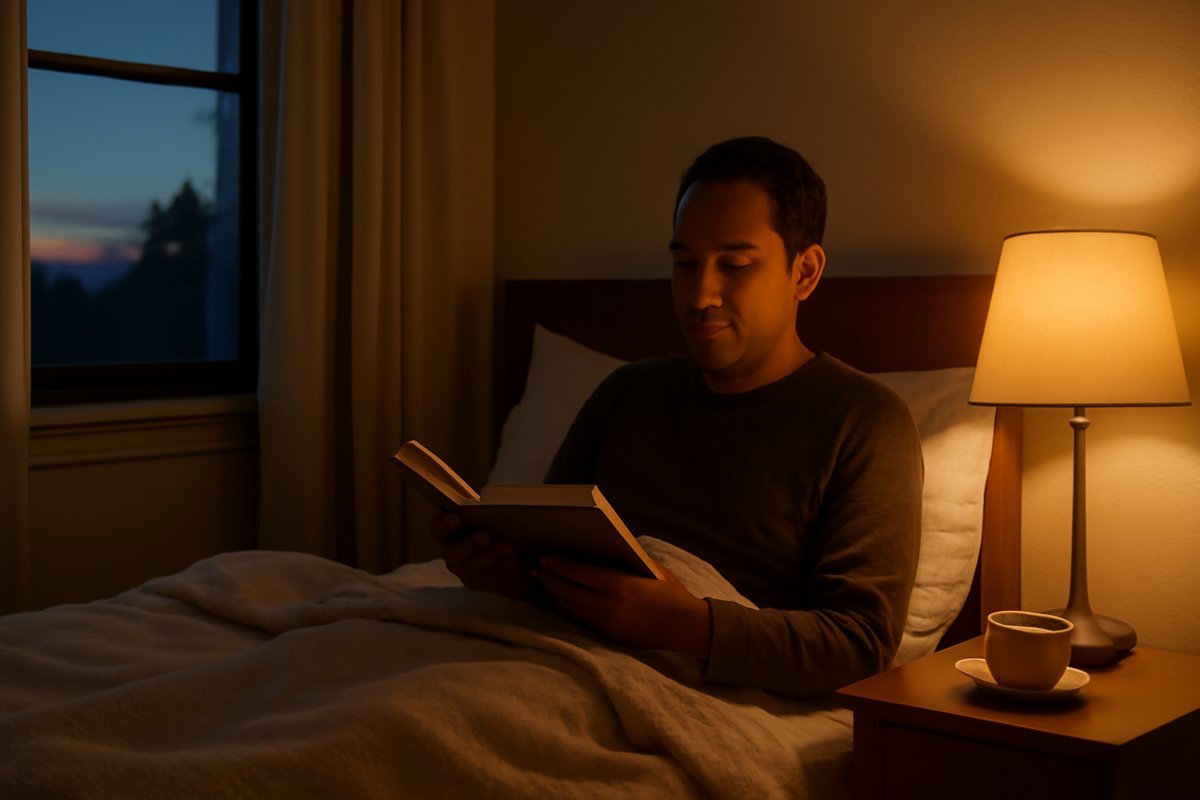
- Dim Lights & Wind-Down: Start dimming household lights 60-90 minutes before bed. Establish a relaxing ritual (reading a physical book, warm bath, calming music) for the last 30-60 minutes.
- Optimizing Your Environment (Intermediate):
- Sleep Sanctuary: Ensure your bedroom is cool (around 65°F or 18.3°C, National Sleep Foundation), dark (blackout curtains), and quiet (earplugs, white noise).
- Morning Light Exposure: Get 15-30 minutes of bright natural light first thing in the morning to reset your internal clock. Avoid bright screens for at least an hour before bed.
- Mindful Movement: Regular physical activity improves sleep quality, but avoid intense workouts within 2-3 hours of bedtime. For flexible movement, explore our Smart Stretching Guide.
- Advanced Techniques:
- Pre-Sleep Journaling: Write down worries or tasks earlier in the evening to clear your mind.
- Mindfulness & Meditation: Incorporate short practices to promote relaxation and ease transition to sleep.
- Light Therapy (Consult a Pro): For significant rhythm disruptions, a doctor-prescribed morning light therapy lamp might be considered. Always consult a healthcare professional.
Common Mistakes That Sabotage Results
Even with the best intentions, it’s easy to fall into habits that undermine your sleep hygiene efforts. Recognizing these pitfalls is the first step to correcting them.
- Weekend Sleep Debt: Drastically sleeping in on weekends throws your circadian rhythm off, creating ‘social jet lag’ that makes Monday mornings harder.
- Fix: Keep weekend sleep times within an hour of weekdays. If you need extra rest, opt for a short power nap (20-30 minutes) earlier in the day.
- Bedroom as a Multi-Purpose Room: If your brain associates your bed with working, scrolling, or watching TV, it won’t readily switch to ‘sleep mode.’
- Fix: Designate your bedroom primarily for sleep and intimacy. Remove screens, work materials, and clutter. If reading or watching, do it in another room or a chair, not in bed.
- Mismanaging Caffeine and Alcohol: Caffeine has a long half-life, stimulating you hours later. Alcohol, though initially sedating, fragments sleep later in the night, reducing restorative REM sleep.
- Fix: Cut off caffeine intake at least 6-8 hours before bed. Finish alcohol 3-4 hours before your planned sleep time.
- Skipping Decompression: Expecting to jump from high-intensity activities straight into deep sleep is unrealistic. Your brain needs time to wind down.
- Fix: Prioritize a dedicated wind-down routine of at least 30-60 minutes before bed. Make this non-negotiable as your brain’s signal to prepare for rest.
What to Eat & Avoid for Optimal Sleep
What you consume throughout the day, and particularly in the evening, significantly influences your ability to achieve restful sleep. Focus on smart choices, not restrictive diets.
- Sleep-Friendly Choices:
- Complex Carbohydrates: Small amounts of whole-grain toast, oats, or a baked potato can increase tryptophan, which converts to melatonin. The Academy of Nutrition and Dietetics suggests a light snack an hour before bed can be beneficial.
- Tryptophan/Magnesium Rich Foods: Lean poultry, nuts (almonds, walnuts), seeds (pumpkin), dairy, and leafy greens (spinach) provide tryptophan and magnesium, known for calming properties. Research in the Journal of Research in Medical Sciences has explored magnesium’s role.
- Tart Cherries: Some studies suggest tart cherries or juice may naturally boost melatonin.
- Herbal Teas: Caffeine-free chamomile, valerian root, or passionflower teas can have calming effects.
- Sleep Disruptors to Be Mindful Of:
- Heavy/Fatty/Spicy Meals: Can cause indigestion and heartburn, making sleep difficult. Finish main meals 2-3 hours before bed.
- Caffeine: A stimulant with a long half-life. Avoid late afternoon/evening intake.
- Alcohol: Initially sedating, but fragments sleep later, reducing REM. Harvard Health Publishing cautions against using it as a sleep aid.
- Excessive Liquids: Too much liquid before bed leads to bathroom breaks, fragmenting sleep. Hydrate throughout the day; for more energy-boosting hydration tips, check our guide to Boosting Energy Naturally.
How Long Until You See Results & What to Track
The good news is that you don’t have to wait months for improvements. Many individuals report noticeable changes in their ability to fall asleep and wake up more refreshed within a few days to a couple of weeks of consistent effort. However, transforming deeply ingrained sleep patterns for lasting benefits can take longer, often several weeks to a few months for these new habits to feel truly natural and for your body’s circadian rhythm to fully adjust.
What to Track:
- Sleep Diary: For two weeks, record bedtime, wake-up time, awakenings, perceived sleep quality (1-5), and influencing factors (caffeine, stress, exercise).
- Daily Energy Levels: Note if mid-afternoon slumps are less severe and if you feel more focused.
- Mood and Irritability: Monitor stability and reduction in irritability.
When to Seek Professional Guidance:
If, despite consistent application of sleep hygiene for 4-6 weeks, you still struggle with significant sleep issues (persistent insomnia, excessive daytime sleepiness, or symptoms of sleep disorders like apnea), seek professional help. A healthcare provider or sleep specialist can evaluate underlying medical conditions and recommend further interventions. The Mayo Clinic consistently advises medical consultation for chronic sleep problems.
Frequently Asked Questions
Here are some common questions about sleep hygiene:
- Is napping good or bad for sleep hygiene?
Short power naps (10-20 minutes) in the early afternoon can boost alertness without disrupting nighttime sleep. Long naps (over 30 minutes) or late naps can interfere with bedtime. The National Sleep Foundation suggests keeping naps short and early. - Should I use melatonin supplements?
Melatonin signals nighttime; it’s not a sedative. It can help with jet lag or circadian rhythm disorders, especially under professional supervision. For general sleep problems, efficacy is debated. Always consult your doctor before using supplements. - What if I can’t fall asleep after 20 minutes?
Don’t stay in bed. Go to another dimly lit room and engage in a quiet, non-stimulating activity (reading, calm music) until sleepy, then return to bed. This prevents associating your bed with wakefulness. - How important is bedroom temperature?
Crucial. A cool bedroom (around 65°F or 18.3°C) facilitates your body’s natural core temperature drop for sleep. Too hot or too cold can disrupt sleep. - Can exercise help with sleep?
Yes, regular moderate exercise improves sleep quality by reducing sleep onset latency and increasing deep sleep. The American College of Sports Medicine (ACSM) highlights these benefits. Avoid vigorous exercise within 2-3 hours of bedtime; earlier in the day is best.
Conclusion
Embarking on the journey of improving your sleep hygiene is one of the most impactful investments you can make in your overall health and well-being. It’s not about achieving perfection overnight, but about consistent, incremental improvements. Each small step – a more regular bedtime, a darker bedroom, an earlier caffeine cut-off – contributes to a stronger, more resilient sleep system. Acknowledge that life happens, and occasional deviations are inevitable. The power lies in gently guiding yourself back to these supportive habits. Start today by choosing just one or two changes from this guide that feel most manageable. Your future self – more energized, focused, and emotionally balanced – will thank you for reclaiming the restorative power of truly good sleep.
WELLNESS DISCLAIMER
This article is for informational and educational purposes only. The content is not intended to replace professional medical, nutritional, or fitness advice. Always consult a qualified healthcare provider, registered dietitian, or certified fitness professional before starting a new health program or making significant changes to your lifestyle.
AUTHOR LINE
Content reviewed by our wellness editorial team, with references to peer-reviewed research and guidelines from leading health organizations.